Welcome to New Deal 2.0!
As you may know, the New Deal (v 1.0) comprised a series of programs enacted by President Roosevelt in the 1930s, with the goal of helping people recover from the Great Depression.
My name is Ryan, and I have set up this site for similar purposes. I want to help people who have lost their jobs, or simply need an extra source of income, acquire the required skills. Follow me as I explore several proven ways to make real money online.
I know, there are many sites which claim to do the same thing, but most of them are built with the goal of getting their owners rich. Don't worry, though, I'm not selling anything on this site. Let's begin!
Create a Course
Pick a topic that has a high market demand, create the outline, record and edit the content, and then start selling your course.
Sell Stock Photos
The demand for stock images is constantly growing. There are hundreds of micro stock websites that pay photographers generous fees.
Join Fiverr
It's a very popular marketplace which connects sellers like you with buyers who are interested in purchasing specific services.
Resell Hosting
Choose a reliable hosting company, become their partner, build your hosting packages, set their prices, and provide tech support.
What are the best methods to make money online?
I have set up a dedicated page that shows several realistic ways to earn cash from the comfort of your home.
Recent Articles
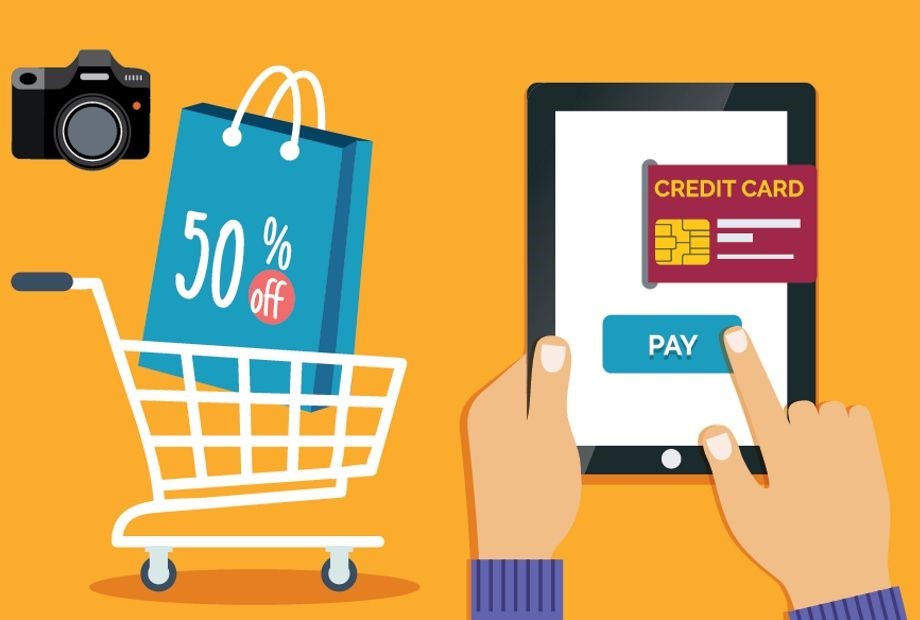
How to start an Ecommerce Business
Everyone knows that ecommerce is exploding; people use the Internet to buy what they need in increasingly larger numbers. According to data-alliance.net, global retail ecommerce sales will exceed 4,000 billion in 2020. So, how can you start a profitable ecommerce business? Let's find out!
Begin by choosing the products you intend to sell carefully; take your time, because this is the most important stage of the process. First, write down a list that includes all your friends and relatives. Start with the contacts in your cell phone, and then move on from there. What would each one of them buy online? Or, even better, what do they buy online on a regular basis? Try to discover one or more products that interest them. Most of them drink coffee or tea, for example. And many of them have dogs, so they need to purchase dog food regularly.
There are several online tools that can simplify the process. Explore the results that are output by Answer the Public, for example. I entered "coffee" in the search box, and I have gotten several interesting ideas such as "will coffee help me lose weight", "which coffee machine to buy", "what coffee has the most caffeine", etc.
How to learn Digital Marketing
Due to the current economic conditions, many businesses were forced to move their operations online. This means that lots of small and medium-sized companies need digital marketing help now, and you can be the specialist they are looking for. You will need to learn the craft, of course, but this article will highlight some of the best web resources, which can be accessed for free.
But what is digital marketing in the first place? According to neilpatel.com, it's a way to advertise other people's businesses by making use of digital channels such as search engines, mobile apps, email, various social media channels, and more.
With search engine optimization (SEO) you will learn how to promote websites, with the goal of attracting more buyers to your clients' sites. SEO professionals take care of on-page activities, optimizing the website locally, as well as off-page tasks, trying to persuade other webmasters to create links that point to their clients' sites. To get started with SEO, visit the Moz Blog.
Discover several proven methods to make money online.